
Ten years ago the road west out of Marbella was somewhere you drove through. It is now where a large share of the coast's new building happens, and where a good deal of our own business sits. The reason is not complicated: Marbella's core ran out of land, and Estepona had a town hall with a plan.
What Estepona actually did
Pedestrianised the old town and planted it. The flower-pot streets are not decoration, they are a deliberate programme. Added the Orchidarium. Commissioned the mural route across the town's blank gables. Built the coastal boulevard, then extended it. Put a marina and a promenade in working order rather than leaving them to decline.
The result is a town people now choose on its own merits rather than on price relative to Marbella, which is precisely what has happened to the price.
The New Golden Mile
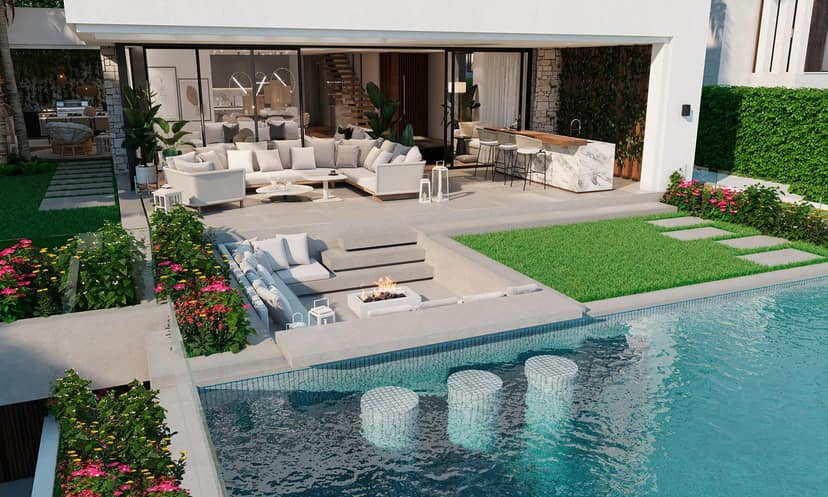
The strip between San Pedro and Estepona town. Flat, close to the beach, well served by the A-7 and quick to Marbella in both directions. Almost all of it is post-2005 and much of it post-2018, which means underground parking, proper insulation, gyms and gardens as standard rather than as a renovation project.
For a buyer, that is the trade this stretch offers: newer stock and more space per euro than the Golden Mile proper, at the cost of a ten-minute drive and an address that does not say Marbella.
Where it gets interesting
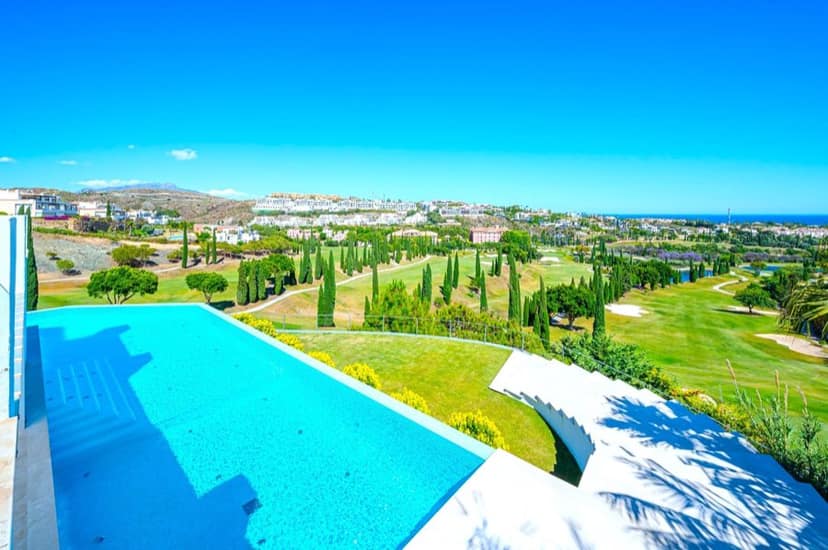
Look inland. El Paraíso, Benahavís and the Estepona hills give you the views and the plots, and the same road network. And look at second-line beachfront rather than first: the price difference is significant and the walk is ninety seconds.
The honest caveat
A lot of new supply arrived here at once, and not all of it is differentiated. Three developments within a kilometre of each other can look identical on a portal and behave very differently on resale. Orientation, floor level, distance to the beach path and the quality of the community's own management are what separate them, and none of that is visible in a listing.
Correct as of 12 February 2026.